India’s Factory Growth Accelerates in October, PMI Shows
 FTII Association
0 comments
FTII Association
0 comments
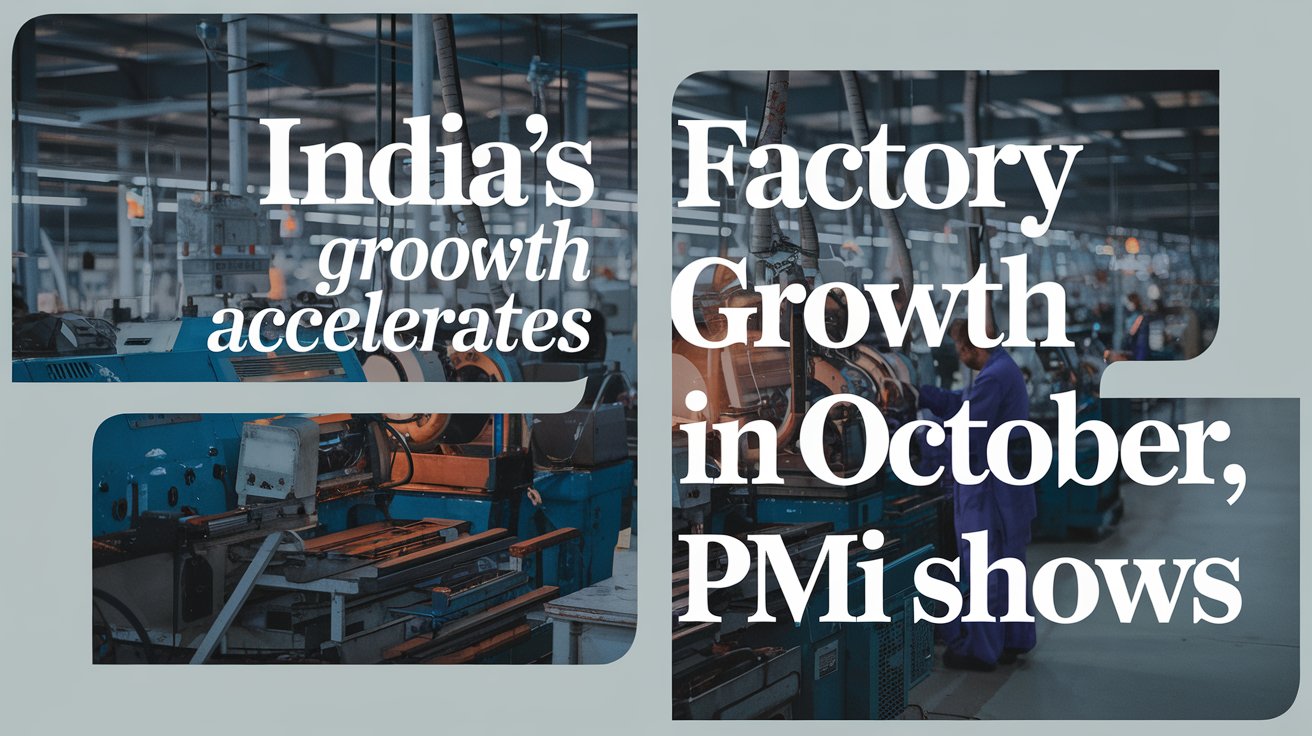
India’s manufacturing sector showed signs of robust recovery in October, after three consecutive months of slowdown. The latest data from the HSBC India Manufacturing Purchasing Managers’ Index (PMI), compiled by S&P Global, revealed a significant uptick in factory activity, driven by increased demand, rising new orders, and a positive business outlook.
The PMI for October jumped to 57.5, up from 56.5 in September, marking a three-month high. This performance exceeded expectations, with the preliminary estimate for the month pegged at 57.4. A PMI reading above 50 indicates expansion in the manufacturing sector, and October’s figure signals a strong recovery and growth in business activity.
Surge in Demand Spurs Manufacturing Growth
According to Pranjul Bhandari, HSBC’s Chief India Economist, the manufacturing sector saw its best performance in several months, driven by improved demand both domestically and internationally. The rising demand for Indian-made goods from regions like Asia, Europe, Latin America, and the United States played a crucial role in the boost to new orders. The data revealed that new business orders, including exports, surged, with both the output and new orders sub-indexes reaching their highest levels in three months.
The improvement in international sales was especially notable, as demand from overseas markets rebounded from a year-and-a-half low observed in September. This indicates a growing global appetite for India’s manufacturing output, a positive sign for the country’s export-driven sectors.
Positive Business Outlook and Hiring Boom
The surge in demand had a ripple effect across the economy. Notably, business confidence reached its highest levels in months, bolstered by expectations of sustained consumer demand, new product releases, and the approval of pending orders. The outlook for the manufacturing sector remains optimistic, with analysts forecasting that strong demand and increased hiring will continue into the next quarter.
In response to the growing demand, manufacturers ramped up hiring. The employment sub-index showed a continued increase in job creation, marking the eighth consecutive month of growth in hiring activity. This trend is likely to bring some relief to the Indian government, which has faced challenges in creating enough well-paying jobs for the expanding workforce.
While hiring has been positive, economists have cautioned that job creation may remain subdued in the long term. A recent Reuters poll of economists suggested that job creation could slow over the next 12 months, underscoring the need for sustained policy efforts to address employment gaps.
Inflationary Pressures Rise
Despite the strong performance in the manufacturing sector, inflationary pressures remained a concern. The PMI data showed that both input and output prices rose faster in October, driven by increases in material costs, wages, and transportation fees. The input cost inflation was the highest it had been in three months, indicating the strain of rising raw material prices on businesses.
Manufacturers responded to these rising costs by passing them on to consumers at a faster pace than in previous months. This resulted in a quicker rise in output prices, which could potentially affect the affordability of goods for consumers, especially as inflation in India has been on the rise.
In September, India’s inflation rate reached a nine-month high of 5.49%, largely driven by higher food prices, pushing it closer to the upper limit of the Reserve Bank of India’s (RBI) inflation target of 2-6%. While inflation remains a concern, some analysts believe that the RBI may opt to lower interest rates in December. A recent Reuters poll showed a slim majority of economists expecting the RBI to reduce the benchmark interest rate to 6.25% from the current 6.50%, in an effort to support economic growth.
Conclusion: Optimism Amid Challenges
The October PMI report underscores a positive shift in India’s manufacturing landscape. After a period of slower growth, the sector appears to be gaining momentum, fueled by robust demand, both from domestic markets and abroad. Strong consumer demand, coupled with rising business confidence and continued job creation, signals a bright outlook for India’s factory sector in the near term.
However, rising inflation and increased production costs may pose challenges in the coming months, requiring careful management to ensure that growth remains sustainable. As manufacturers continue to expand operations and meet demand, policymakers will need to strike a delicate balance between supporting economic expansion and addressing inflationary pressures.
In summary, while India’s manufacturing sector faces some headwinds, the overall trajectory in October is one of growth and optimism, with strong demand and an improving job market offering a promising outlook for the months ahead.