How Businesses Can Leverage Social Media to Fuel Growth
 FTII Association
0 comments
FTII Association
0 comments
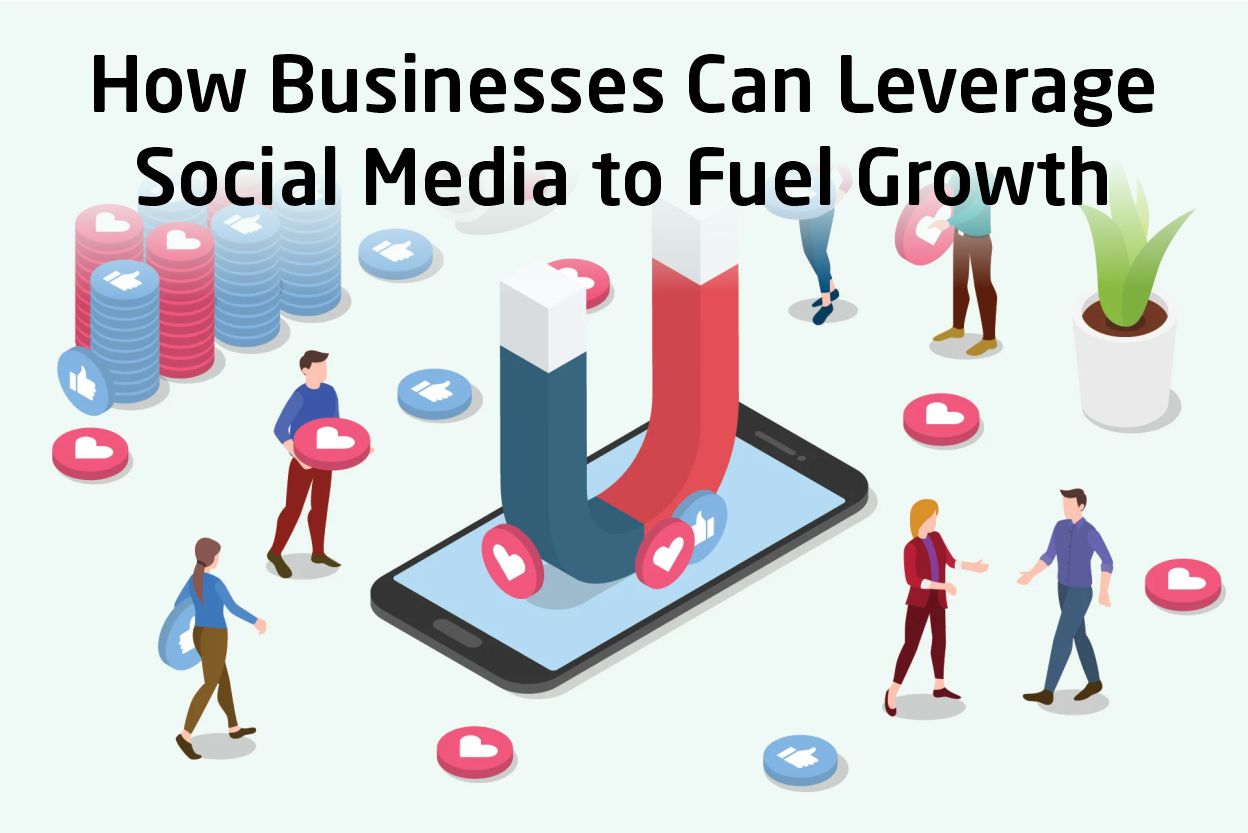
In today’s digital age, social media has become a cornerstone of modern marketing and business growth strategies. With billions of active users across platforms like Facebook, Instagram, LinkedIn, and Twitter, businesses have unprecedented opportunities to connect with potential customers, build brand loyalty, and drive revenue. Leveraging social media effectively can be a game-changer for companies of all sizes. In this comprehensive guide, we’ll explore how businesses can harness the power of social media to fuel their growth.

1. Understanding the Social Media Landscape
Before diving into strategies, it’s essential to understand the social media landscape and its impact on business growth. Social media platforms offer diverse ways to engage with audiences, each with its unique features and user demographics. Here’s a brief overview:
- Facebook: Ideal for building communities and sharing a wide range of content, from text posts to videos and live streams.
- Instagram: Focuses on visual content, making it perfect for businesses in fashion, food, travel, and lifestyle.
- LinkedIn: A professional networking platform suited for B2B marketing, thought leadership, and recruiting.
- Twitter: Best for real-time updates, customer service, and engaging in trending conversations.
- TikTok: Known for short, engaging videos, making it ideal for reaching younger audiences and creating viral content.
2. Developing a Social Media Strategy
A well-crafted social media strategy is crucial for leveraging these platforms effectively. Here’s how to develop one:
Define Clear Objectives
Start by identifying what you want to achieve through social media. Common objectives include:
- Brand Awareness: Increasing visibility and recognition.
- Lead Generation: Attracting potential customers and collecting their information.
- Customer Engagement: Building relationships and engaging with your audience.
- Sales Conversion: Driving traffic to your website and converting visitors into customers.
Identify Your Target Audience
Understanding your audience’s demographics, interests, and behaviors is key to creating relevant content. Use social media analytics tools to gather insights and tailor your content to meet their preferences.
Choose the Right Platforms
Not every platform will suit every business. Select the platforms where your target audience is most active and where your content can shine.
Create a Content Calendar
A content calendar helps you plan and schedule posts in advance. This ensures consistency and allows you to align your content with key dates, promotions, and campaigns.
Monitor and Adjust
Social media is dynamic, so continuously monitor your performance and adjust your strategy based on what works best. Use analytics tools to track engagement, reach, and conversion metrics.
3. Content Creation and Curation
Content is the heart of social media marketing. Here’s how to create and curate content that drives growth:
Create Engaging Content
Your content should be informative, entertaining, and relevant. Consider these types:
- Educational Content: How-to guides, tips, and industry insights that provide value.
- Entertaining Content: Humorous posts, memes, and engaging videos that capture attention.
- Inspirational Content: Success stories, quotes, and motivational messages that resonate with your audience.
- Interactive Content: Polls, quizzes, and live Q&A sessions that encourage participation.
Utilize Visuals
Visual content, including images, videos, and infographics, tends to perform better than text-only posts. Ensure your visuals are high-quality and aligned with your brand’s aesthetic.
Incorporate User-Generated Content
Encourage your audience to create content related to your brand. User-generated content (UGC) can build trust and authenticity. Share and showcase UGC to foster community engagement.
Leverage Influencer Marketing
Influencers can amplify your reach and credibility. Partner with influencers who align with your brand values and have a genuine connection with their audience. They can create authentic content that resonates with potential customers.
4. Social Media Advertising
Paid social media advertising can significantly enhance your reach and targeting capabilities. Here’s how to utilize social media ads effectively:
Define Your Ad Goals
Similar to organic strategies, start by defining clear goals for your ads, such as increasing website traffic, generating leads, or driving sales.
Target Your Audience
Social media platforms offer advanced targeting options based on demographics, interests, behaviors, and location. Use these features to ensure your ads reach the right people.
Choose the Right Ad Formats
Different platforms offer various ad formats:
- Facebook and Instagram: Image ads, video ads, carousel ads, and story ads.
- LinkedIn: Sponsored content, text ads, and InMail ads.
- Twitter: Promoted tweets, accounts, and trends.
- TikTok: In-feed ads, branded hashtags, and top-view ads.
Optimize Your Ads
Continuously test and optimize your ads to improve performance. Experiment with different visuals, copy, and targeting options to find what resonates best with your audience.
5. Engaging with Your Audience
Social media is not just a broadcasting tool; it’s a platform for dialogue and relationship-building. Here’s how to engage effectively:
Respond to Comments and Messages
Promptly reply to comments and direct messages. Engaging with your audience shows that you value their input and fosters a positive brand image.
Encourage Conversations
Ask questions, run polls, and initiate discussions to encourage audience interaction. This helps to build a sense of community and keeps your audience engaged.
Handle Negative Feedback Professionally
Address negative feedback with professionalism and empathy. Resolve issues swiftly and publicly if needed, demonstrating your commitment to customer satisfaction.
Use Social Listening
Monitor conversations about your brand and industry using social listening tools. This helps you understand public sentiment, identify emerging trends, and respond to customer needs.
6. Measuring and Analyzing Performance
To ensure your social media efforts are paying off, measure and analyze your performance regularly. Here’s how:
Track Key Metrics
Monitor metrics such as:
- Engagement Rate: Likes, comments, shares, and overall interaction.
- Reach and Impressions: The number of people who see your content.
- Click-Through Rate (CTR): The percentage of people who click on your links.
- Conversion Rate: The percentage of users who complete a desired action, such as making a purchase.
Use Analytics Tools
Leverage platform-specific analytics tools, such as Facebook Insights, Instagram Analytics, LinkedIn Analytics, and Twitter Analytics. Additionally, use third-party tools like Google Analytics for a more comprehensive view.
Generate Reports
Create regular reports to track progress, identify trends, and make data-driven decisions. Share these reports with your team to ensure alignment and continuous improvement.
7. Staying Ahead of Trends
Social media is constantly evolving, with new features, trends, and best practices emerging regularly. Stay ahead by:
Following Industry News
Keep up with industry news and updates from social media platforms to adapt your strategy accordingly.
Experimenting with New Features
Explore and test new features and tools offered by social media platforms. Early adoption can give you a competitive edge and enhance your content strategy.
Engaging in Industry Communities
Participate in industry forums, groups, and communities to share insights, learn from others, and stay informed about the latest trends.
Conclusion
Social media offers immense potential for businesses looking to fuel growth. By developing a well-defined strategy, creating engaging content, leveraging advertising, and actively engaging with your audience, you can harness the power of social media to drive brand awareness, generate leads, and boost sales.
Remember, social media is a dynamic landscape, so staying agile, continuously monitoring performance, and adapting to changes will help you stay ahead of the curve and achieve sustained growth. Embrace the opportunities that social media provides, and let it be a driving force in your business’s success.